
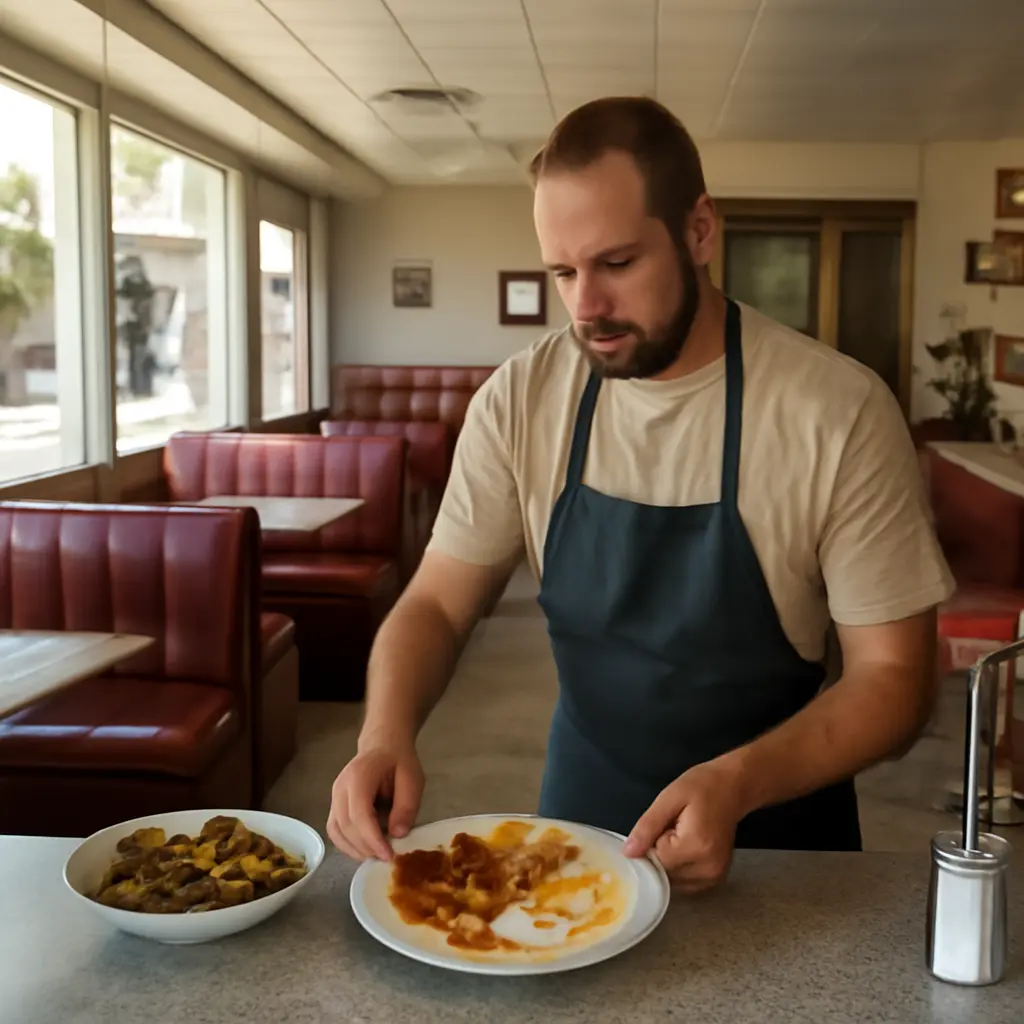
A modern diner is a casual restaurant shaped by the American diner tradition: approachable service, familiar comfort food, broad menus, and an informal, welcoming atmosphere. Today’s diners balance that heritage with contemporary tastes by keeping recognizable favorites while updating ingredients, adding dietary options, and drawing on local or global influences. The balance matters in a competitive industry: the National Restaurant Association reported that U.S. restaurant and foodservice sales were projected to reach $1.1 trillion in 2024, while operators faced changing customer expectations and cost pressures. Looking at diner identity, menu design, operational realities, and real-world examples shows how restaurants can evolve without losing the qualities that make diners distinctive.
Preserving Tradition in Modern Diner Menus
A diner’s traditional identity is not just a collection of recipes. It is a service and dining model built around accessibility, familiarity, choice, and a sense of everyday community. The Smithsonian’s National Museum of American History traces the diner’s development from mobile lunch wagons into permanent restaurants, where long counters, stools, and inexpensive meals helped make dining out accessible to working people. Modern diners preserve that practical, informal spirit even when their menus and interiors change.
Comfort-food anchors
Comfort-food anchors are dishes that customers associate with diner culture and expect to find consistently. Burgers, pancakes, eggs, grilled sandwiches, meatloaf, fries, and pie are common examples. Their importance lies in recognition: a guest can order with little explanation and feel confident about what will arrive. Diners can update these dishes with better-quality bread, seasonal produce, house-made sauces, or carefully sourced meat while preserving their familiar form. The James Beard Foundation’s reporting on independent restaurants emphasizes that a clear identity and dependable execution help neighborhood businesses maintain customer loyalty.
Service, setting, and value
The diner experience also includes features beyond food: counter seating, all-day breakfast, quick service, generous portions, and a casual welcome. These characteristics distinguish a diner from a restaurant that merely serves diner-style dishes. Value remains part of the promise, but it does not require the lowest possible price; it means that guests perceive the quality, portion, service, and atmosphere as worth the cost. The U.S. Bureau of Labor Statistics’ Consumer Expenditure Survey tracks food-away-from-home spending, illustrating how dining out is a substantial and closely watched household expense.
Adapting Modern Diner Menus to New Expectations
Once diners establish the familiar elements guests count on, they can adapt the menu around them. Menu modernization means adjusting dishes, ingredients, and choices to meet current preferences without making the restaurant’s identity difficult to recognize. The National Restaurant Association’s 2024 industry report describes consumer interest in value, convenience, and evolving food preferences as important forces shaping restaurant decisions. For diners, the practical approach is often incremental: preserve core sellers, then introduce clearly described alternatives and limited-time specials.
Dietary flexibility and menu clarity
Dietary flexibility means providing workable options for guests who avoid particular ingredients or follow specific eating patterns. Diners may offer plant-based patties, meat-free breakfasts, dairy alternatives, gluten-conscious choices, or dishes that can be modified on request. Clear descriptions matter just as much as the number of options: guests need to understand ingredients and potential substitutions, while staff need reliable procedures for handling allergy questions. The Food and Drug Administration identifies nine major food allergens, including milk, eggs, wheat, soy, sesame, and several nuts and seafood categories, making accurate ingredient communication a safety issue as well as a hospitality practice.
Local sourcing and seasonal updates
Local sourcing connects a diner’s menu to nearby farms, bakeries, fisheries, and other suppliers. Seasonal produce can refresh familiar plates—such as adding local greens to an omelet or featuring regional fruit in a pie—without abandoning classic formats. The U.S. Department of Agriculture’s Farm to School and local-food resources describe how direct relationships between food producers and institutions can support regional markets. For restaurants, local purchasing can also create a story customers understand, although availability, price, and supply consistency determine how broadly it can be used.
Global flavors in familiar formats
Global-inspired diner food applies flavors, condiments, or techniques from different culinary traditions to recognizable dishes. A breakfast hash might feature chili crisp, a burger could use kimchi, or a grilled cheese might include ingredients associated with a regional cuisine. This approach works best when the menu names the inspiration accurately and treats the ingredients thoughtfully rather than using cultural references as decoration. Familiar formats help customers try new flavors with less uncertainty, while specials let kitchens test demand before adding a dish permanently.
Designing a Menu That Works for Customers and Kitchens
A contemporary menu must satisfy guests while remaining feasible to prepare. Each new item affects purchasing, storage, staff training, cooking time, and waste. The National Restaurant Association identifies food, labor, and operating costs among the major challenges facing restaurant operators. A thoughtful diner therefore treats menu innovation as an operational decision: dishes should fit the kitchen’s equipment and skills, share useful ingredients, and offer enough customer appeal to justify their complexity.
Menu engineering and ingredient overlap
Menu engineering is the practice of assessing dishes by measures such as popularity, contribution to revenue, and preparation demands. A diner might retain a popular pancake plate, adjust a low-selling sandwich, and introduce a special that uses ingredients already stocked for other dishes. Ingredient overlap reduces the risk of spoilage and limits unnecessary purchasing, but excessive overlap can make the menu feel repetitive. Restaurants can use point-of-sale sales patterns, food-cost reviews, and staff feedback to decide which items deserve permanent placement.
Balancing choice with speed
A broad menu is part of the diner tradition, but too many choices can slow ordering and complicate kitchen work. A balanced menu separates familiar staples from seasonal features, uses concise descriptions, and identifies useful dietary modifications. Digital menus and online ordering can improve access to information, but they should match the printed menu and the restaurant’s actual ability to prepare each item. The goal is not to eliminate variety; it is to make choice easy for customers and manageable for employees.
Examples of Tradition and Innovation in Practice
Across the United States, diners illustrate different ways to preserve a recognizable identity while responding to local tastes. New York’s classic luncheonettes and diners often maintain all-day breakfasts and counter service, while adding vegetarian plates or seasonal specials. In California, some neighborhood diners adapt familiar sandwiches and breakfasts with produce-forward ingredients. These examples point to a common principle: contemporary changes are most convincing when they grow from the restaurant’s location, customer base, and established strengths.
Themed and retro diners
Retro diners use historic design cues—chrome, booths, neon, jukeboxes, or vintage typography—to make the past part of the dining experience. Their menus may lean heavily on burgers, milkshakes, and breakfast classics, while adding modern options to serve a wider range of guests. The design can attract customers, but authenticity also depends on food quality, service, and whether the restaurant feels comfortable rather than staged. In this model, nostalgia is a starting point for hospitality, not a substitute for it.
Neighborhood diners with contemporary menus
Neighborhood diners often make smaller, practical adjustments rather than adopting a complete new concept. They may keep an established menu, add a seasonal soup, offer a plant-based breakfast, or source baked goods from a nearby bakery. Regular customers retain their favorites, while newcomers see evidence that the restaurant is responsive. Gathering feedback from customers and staff helps owners distinguish a useful update from a trend that does not fit the business.
Conclusion: Keeping the Diner Relevant
Modern diners balance tradition with contemporary menus by protecting familiar comfort-food anchors, maintaining an approachable service style, and adapting selectively to dietary needs, seasonal ingredients, and new flavors. Menu engineering and clear communication help those changes work in the kitchen as well as at the table. The broader lesson is that culinary heritage can remain relevant when it is treated as a living practice rather than a fixed set of recipes. Diners and restaurant operators can start by reviewing customer feedback, identifying their most valued dishes, and testing one well-planned update at a time.
Sources: National Restaurant Association, 2024 State of the Restaurant Industry Report, https://restaurant.org/research-and-media/research/research-reports/state-of-the-restaurant-industry/; Smithsonian National Museum of American History, “Diners,” https://americanhistory.si.edu/explore/stories/diners; U.S. Bureau of Labor Statistics, Consumer Expenditure Surveys, https://www.bls.gov/cex/; U.S. Food and Drug Administration, Food Allergies, https://www.fda.gov/food/food-labeling-nutrition/food-allergies; U.S. Department of Agriculture, Local Food Directories: National Farmers Market Directory, https://www.ams.usda.gov/local-food-directories/farmersmarkets; James Beard Foundation, Independent Restaurant Coalition and industry resources, https://www.jamesbeard.org/