
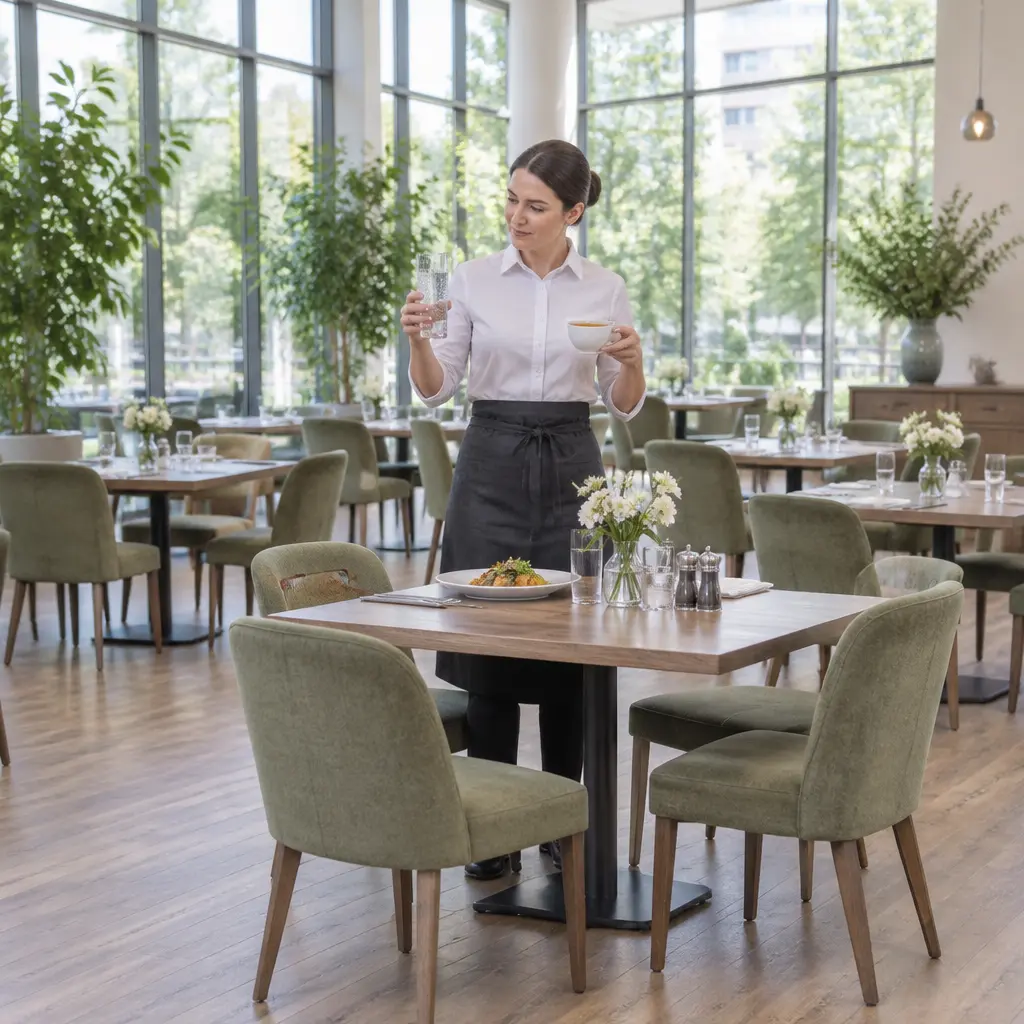
Beverage pairing is the practice of choosing a drink to accompany food so that each can influence how the other tastes. Rather than treating pairings as fixed rules, a more useful philosophy considers flavor, texture, intensity, temperature, culture, and personal preference—and invites experimentation. This approach reflects how taste works: aroma, acidity, sweetness, bitterness, carbonation, and mouthfeel interact, while people perceive those qualities differently. From wine and beer to tea, coffee, and nonalcoholic drinks, the goal is not to find one “correct” match but to make a meal more expressive and enjoyable.
Beverage pairing philosophy enhances flavor without fixed rules
A beverage pairing philosophy is a flexible method for selecting drinks according to the experience a diner wants, rather than following universal prescriptions such as “red wine with meat” or “white wine with fish.” It draws on sensory science and culinary practice: a drink may echo a dish’s flavors, contrast its richness, refresh the palate, or introduce a new dimension. These are useful starting points, not guarantees, because ingredients, preparation, serving temperature, and individual taste all affect the result.
The subject matters because beverages are part of the overall flavor experience, not merely an accompaniment. The National Institute on Alcohol Abuse and Alcoholism notes that alcohol can affect judgment and coordination, so pairing guidance should also make room for responsible choices and alcohol-free alternatives. For market context, the International Wine and Spirits Record reported that no- and low-alcohol drinks were gaining momentum in 2023; its figures describe a changing beverage market, not a universal measure of consumer preference. A thoughtful pairing practice therefore considers both sensory fit and the drinker’s needs.
Sensory principles define beverage pairing philosophy
There is no single formal definition of “beverage pairing philosophy” issued by a scientific authority. In practical terms, it is a decision-making framework for matching or contrasting a drink and a dish to shape a desired sensory experience. The Institute of Masters of Wine’s educational materials discuss wine in relation to food through factors such as acidity, sweetness, tannin, body, and flavor intensity—useful variables that can be applied more broadly, while recognizing that wine-specific guidance does not automatically govern every beverage.
The main pairing strategies are complementary matching, contrast, palate cleansing, and contextual pairing. Complementary matches connect similar qualities, such as a citrus-led drink with a citrus-seasoned dish. Contrast pairs different qualities, such as a bright, acidic drink with fatty food. Palate-cleansing uses carbonation, acidity, or a clean finish to refresh the mouth. Contextual pairing considers origin, occasion, tradition, and the people sharing the meal. These categories overlap: one drink can complement a dish’s aroma while cutting through its richness.
Complementary flavor matching
Complementary matching brings related flavors or aromas together so they reinforce one another. A floral tea alongside lightly perfumed desserts, or a malt-forward beer with roasted grain flavors, can create a coherent impression. The match need not mean identical ingredients: a drink’s toasted, herbal, fruity, or earthy notes may connect with corresponding qualities in the food.
Intensity matters. A delicate drink can disappear beside a highly spiced or smoky dish, while an assertive beverage may overwhelm subtle food. The Wine & Spirit Education Trust’s tasting framework evaluates features such as acidity, sweetness, tannin, alcohol, and intensity. While designed for structured tasting, these dimensions offer a practical checklist for comparing a beverage’s weight and flavor strength with a dish’s.
Contrast, richness, and palate refreshment
Contrast uses a difference between food and drink to create balance or emphasis. Acidity can make a rich dish feel less heavy; sweetness can soften the impression of chili heat; bitterness may counter a sweet or fatty bite. Carbonation also contributes tactile lift. These effects depend on the whole combination: a sweet drink may soothe some people’s perception of heat but can also make a meal feel sweeter overall.
The Center for Sensory Analysis and Consumer Behavior at Kansas State University and other sensory-science researchers emphasize that flavor perception involves multiple senses, including smell, taste, and oral sensation. That helps explain why a crisp sparkling water can feel refreshing even though it contributes little aroma, and why serving temperature changes the impression of a drink. A useful test is to alternate bites and sips and notice whether the drink refreshes, amplifies, or competes with the dish.
Beverage pairing philosophy spans drink categories
Once the sensory principles are clear, they can be applied across beverage families rather than confined to wine. Each category brings distinctive properties: beer can offer bitterness and carbonation; tea combines aroma with varying astringency; coffee contributes roast and bitterness; and nonalcoholic drinks can supply acidity, bubbles, sweetness, or botanical character. These are broad tendencies, not fixed characteristics of every drink in a category.
Wine and food: useful conventions, not laws
Wine pairing often considers acidity, sweetness, tannin, body, alcohol, and the dish’s dominant flavor. A crisp, acidic wine may work well with a dish that has a bright sauce, while a fuller wine may stand up to more intensely flavored food. Yet the preparation can matter more than the main ingredient: grilled fish with smoky spices may suit a different wine from delicately poached fish.
Traditional rules can be helpful shorthand, but they leave out sauce, seasoning, cooking method, and preference. The Institute of Masters of Wine’s food-and-wine guidance encourages attention to the components of both food and wine. In practice, diners can compare a sip before and after a bite, then adjust. If the wine tastes harsh, overly sweet, or muted after the food, that observation is more useful than a rule based on the protein alone.
Beer, tea, and coffee: texture and intensity
Beer offers a wide range of bitterness, malt sweetness, roast, acidity, alcohol, and carbonation. A bitter, aromatic beer may suit strongly flavored food, while a lighter beer can accompany gentler dishes; carbonation can also refresh between bites. The Brewers Association’s style descriptions illustrate how varied beer can be, making “beer” too broad a category for one universal pairing rule.
Tea and coffee pairings often rely on aroma, astringency, roast, and serving temperature. A lightly oxidized tea may preserve the delicacy of a subtle dish, while a roasted tea can connect with toasted or grilled flavors. Coffee’s bitterness and roasted notes can complement chocolate or caramel desserts, though a very intense brew may dominate them. These are hypotheses to test, not prescriptions: brewing strength, milk, sugar, and temperature can all change the balance.
Nonalcoholic beverages and inclusive pairing
Nonalcoholic pairing uses the same sensory tools as alcoholic pairing. Sparkling water, kombucha, tea, shrubs, juices, and botanical drinks can contribute acidity, bubbles, aroma, sweetness, or bitterness. A tart fruit drink can echo a dish’s acidity; a lightly bitter botanical beverage can provide contrast to rich food. Choosing a drink without alcohol can also support guests who are driving, pregnant, taking medication, abstaining, or simply uninterested in alcohol.
The World Health Organization states that no level of alcohol consumption is risk-free for health, while individual risks vary. That health context reinforces the value of offering appealing nonalcoholic options as full pairings rather than substitutes of lesser importance. A balanced menu can describe flavor and texture without implying that alcohol is necessary for a complete dining experience.
Beverage pairing philosophy benefits from experimentation
A practical pairing process turns principles into observations. Begin with the dish’s dominant qualities—richness, acidity, sweetness, heat, salt, bitterness, aroma, and texture—then choose what the drink should do. It might echo a flavor, contrast with richness, soften heat, or refresh the palate. Consider the drink’s intensity and serving temperature, and account for sauce and preparation rather than focusing only on the central ingredient.
- Describe the food and beverage in a few sensory terms, such as “fatty, smoky, and salty” or “bright, bubbly, and citrusy.”
- Choose one intended effect: complement, contrast, refresh, or add a new flavor dimension.
- Taste the beverage alone, then with a bite of food. Notice what becomes stronger, weaker, smoother, or less pleasant.
- Adjust one variable at a time, such as sweetness, acidity, temperature, or intensity.
- Ask the people eating with you what they enjoy; personal preference is part of the result, not an error to correct.
A simple tasting chart can make the process visible: list each drink in one column and rate perceived harmony, contrast, refreshment, and personal enjoyment in the others. Scores need not be scientific measurements; their purpose is to compare experiences consistently. For example, a spicy noodle dish could be tried with sparkling water, jasmine tea, and a lightly sweetened drink. The group may find that one refreshes, another echoes floral aromas, and a third makes the heat feel more pronounced. The result is a useful discovery for that meal, not a rule for every spicy dish.
Real-world hospitality increasingly reflects this flexible approach through beverage menus that include tasting notes and alcohol-free choices. Restaurants can describe a drink’s flavor, texture, and intended interaction with a dish, then invite guests to choose. This supports accessibility and helps staff explain a pairing without claiming that it is the only correct option.
Conclusion: beverage pairing philosophy puts discovery first
Beverage pairing philosophy is best understood as an adaptable way to shape flavor, not a catalogue of mandatory matches. Sensory principles such as complementary matching, contrast, palate refreshment, and intensity provide a sound starting point. Applying them across wine, beer, tea, coffee, and nonalcoholic drinks shows that aroma, acidity, sweetness, bitterness, carbonation, and context all matter—and that personal response matters too.
Use the next meal as a small experiment: describe what you taste, try more than one drink, and notice how the combination changes. Keep the pairings you enjoy, make room for alcohol-free options, and treat conventional rules as invitations to explore rather than final answers.
Sources: Institute of Masters of Wine, Food and Wine Pairing educational resources, https://www.mastersofwine.org/; Wine & Spirit Education Trust, Systematic Approach to Tasting, https://www.wsetglobal.com/knowledge-centre/; Brewers Association, Beer Style Guidelines, https://www.brewersassociation.org/edu/brewers-association-beer-style-guidelines/; World Health Organization, Alcohol, https://www.who.int/news-room/fact-sheets/detail/alcohol; National Institute on Alcohol Abuse and Alcoholism, Alcohol’s Effects on the Body, https://www.niaaa.nih.gov/alcohols-effects-health/alcohols-effects-body; International Wine and Spirits Record, No- and Low-Alcohol Drinks Market Reports, https://www.theiwsr.com/