
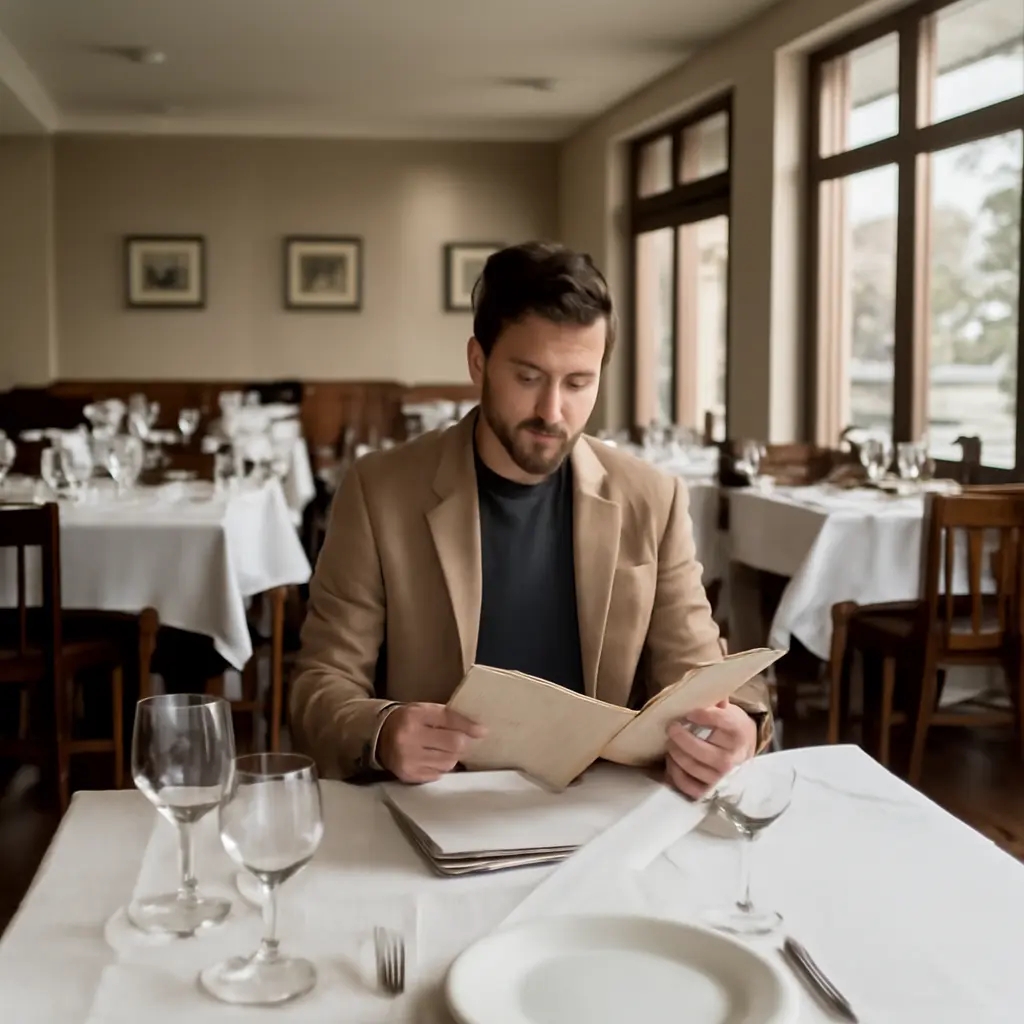
Fine dining and casual dining are two restaurant-service formats that differ in price, atmosphere, menu design, and level of service. Fine dining generally emphasizes a more formal, carefully choreographed experience, while casual dining prioritizes comfort, accessibility, and a relaxed pace. The distinction matters to diners and operators alike: the U.S. Bureau of Labor Statistics reports that food away from home accounted for about 5.3% of average U.S. household spending in 2023. Comparing service, food, ambience, and cost helps explain what guests are paying for—and how each format fits different occasions.
Fine Dining and Casual Dining: Defining the Experience
“Fine dining” and “casual dining” are industry and consumer labels rather than fixed legal categories. The National Restaurant Association describes restaurants as operating across varied service styles and price points; in practice, the terms signal a bundle of expectations about hospitality, setting, menu, and spending. Fine dining tends toward formal service and a distinctive culinary experience. Casual dining typically offers table service in an informal setting, with approachable menus and moderate prices.
These categories are not a simple measure of food quality. A casual restaurant can serve excellent food, and a high price alone does not make a restaurant fine dining. The useful distinction is the overall proposition: how the restaurant combines cooking, service, surroundings, and value.
Fine dining: a service-led, curated format
Fine dining is a restaurant experience built around elevated hospitality, deliberate presentation, and a setting designed to feel special. Common characteristics include advance reservations, attentive table service, a focused menu, detailed wine or beverage guidance, and a measured meal pace. Some restaurants offer tasting menus, where a sequence of small courses presents the chef’s ideas in a planned order.
The Michelin Guide’s inspection criteria include the quality of ingredients, mastery of cooking techniques, harmony of flavors, the expression of a chef’s personality in the cuisine, and consistency. Those criteria assess the cooking—not the formality of the room—so Michelin recognition should not be treated as a definition of fine dining. It does, however, illustrate why culinary quality and service style are related but distinct dimensions.
Casual dining: comfort and broad appeal
Casual dining is generally a relaxed, table-service format with a welcoming atmosphere and a menu designed for a broad range of preferences. Guests may expect familiar dishes, flexible group seating, and less ceremony than at a fine-dining restaurant. The category includes neighborhood bistros, family restaurants, and many full-service chains; prices and service details vary considerably within it.
Casual does not necessarily mean quick or inexpensive. A busy restaurant may have a wait, and a locally owned casual restaurant can use premium ingredients. The defining feature is a less formal service environment, not a guarantee of a particular bill or meal duration.
Fine Dining and Casual Dining: Comparing Service, Food, and Atmosphere
The clearest comparison comes from looking at the whole visit rather than one feature. A restaurant may blur category boundaries—for example, by pairing a relaxed dining room with an ambitious tasting menu—so the characteristics below are typical patterns, not rules.
Service style and meal pacing
Fine dining often uses more specialized, anticipatory service. Staff may explain ingredients, accommodate dietary requests, recommend pairings, and coordinate the timing of multiple courses. The experience is usually designed to unfold over a longer period, though actual duration depends on the menu and the guest.
Casual dining service is typically more straightforward and conversational. Guests order from a menu, receive table service, and can often complete a meal with fewer courses and less ceremony. Both formats depend on attentive hospitality; they simply express it differently.
Menu, ingredients, and presentation
Fine-dining menus are often shorter or more tightly curated, and may change with seasons or ingredient availability. Dishes can involve specialized techniques, composed plating, and a narrative linking ingredients to a region or chef’s approach. Tasting menus make this structure especially visible by presenting several courses as one planned progression.
Casual menus tend to emphasize choice, recognizable formats, and dishes that are practical for everyday meals or groups. That does not prevent creativity: chefs may reinterpret local cuisine or use seasonal produce while retaining a relaxed format. Menu length and ingredient sourcing are restaurant-specific, so diners should consult the current menu rather than infer them from the category.
Ambience, dress, and occasion
Fine-dining rooms commonly use lighting, acoustics, table spacing, linens, and décor to create a polished atmosphere. Some establish dress guidance or reservation policies, but there is no universal dress code for the category. Checking a restaurant’s own guidance is more reliable than assuming a jacket or formal attire is required.
Casual restaurants generally favor practical, comfortable surroundings suited to family meals, informal dates, and spontaneous visits. A restaurant’s noise level, accessibility, and seating arrangements can matter as much as its formality, especially for families or guests with mobility or sensory needs.
Fine Dining and Casual Dining: Price, Value, and Practical Choices
Price is one of the most visible differences, but it should be evaluated against the complete experience. A fine-dining bill may include more courses, specialized labor, premium ingredients, and a longer service interaction. Casual dining usually offers a wider range of spending options, although drinks, add-ons, and service charges can substantially affect the final total.
What the bill may include
Before booking, check whether a tasting-menu price includes beverages, tax, gratuity, or a separate service charge. Ask about deposits, cancellation rules, and accommodation of allergies. At casual restaurants, review portion sizes, beverage prices, and any automatic group gratuity. These details are more useful than relying on broad labels to predict the cost.
The Bureau of Labor Statistics’ Consumer Expenditure Survey tracks household spending, including food away from home, but does not classify every meal neatly as fine or casual. As a result, a single national figure cannot establish a reliable price gap between the two formats. Local menus and current restaurant policies provide the most actionable comparison.
Choosing a format for the occasion
Fine dining may suit a celebration, business dinner, or occasion where guests value a carefully guided meal. Casual dining may be the better fit when flexibility, a relaxed conversation, family-friendly options, or predictable menu choices matter most. Neither is inherently better: the right choice depends on budget, time, dietary needs, company, and the kind of hospitality desired.
A practical decision process is to compare the menu and total expected cost, review reservation and accessibility information, and consider the group’s preferred pace. For a special meal, communicate dietary requirements in advance. For an informal visit, check peak-hour waits and whether the restaurant accepts walk-ins.
Fine Dining and Casual Dining: Blended Models and Changing Expectations
Many contemporary restaurants sit between traditional categories. A chef-led neighborhood restaurant might offer ambitious cooking without formal table settings; a hotel restaurant may provide polished service alongside a relaxed menu. These hybrid models reflect the fact that diners can value high-quality food without wanting a ceremonial experience.
Restaurant formats also respond to labor costs, ingredient prices, technology, and changing customer expectations. The National Restaurant Association’s industry research provides an annual view of the sector’s economic and operational conditions, while individual restaurants adapt through reservation platforms, simplified menus, and varied service models. Such changes make it more useful to evaluate a restaurant’s actual practices than to rely on its label alone.
Conclusion: Fine Dining and Casual Dining Serve Different Needs
Fine dining typically offers curated food, attentive and structured service, and a deliberately polished setting; casual dining generally emphasizes comfort, accessible choices, and a more informal meal. Their differences are best understood across service, menu, atmosphere, and total cost—not as a simple ranking of quality. Since food away from home is a meaningful part of household spending, checking menus, policies, and prices helps diners choose with confidence. For further context, consult the Michelin Guide’s dining criteria and the Bureau of Labor Statistics’ Consumer Expenditure Survey, then compare current restaurant information before making a reservation.
Sources: U.S. Bureau of Labor Statistics, Consumer Expenditures—2023, https://www.bls.gov/news.release/cesan.nr0.htm; U.S. Bureau of Labor Statistics, Consumer Expenditure Surveys, https://www.bls.gov/cex/; Michelin Guide, What Are the Michelin Guide Criteria?, https://guide.michelin.com/us/en/article/features/what-is-a-michelin-star; National Restaurant Association, Research and Reports, https://restaurant.org/research-and-media/research/